Tuesday, March 10, 2026
LUXE PACK in Green 2025 : innovations et stratégies pour un packaging de luxe durable
LUXE PACK Monaco

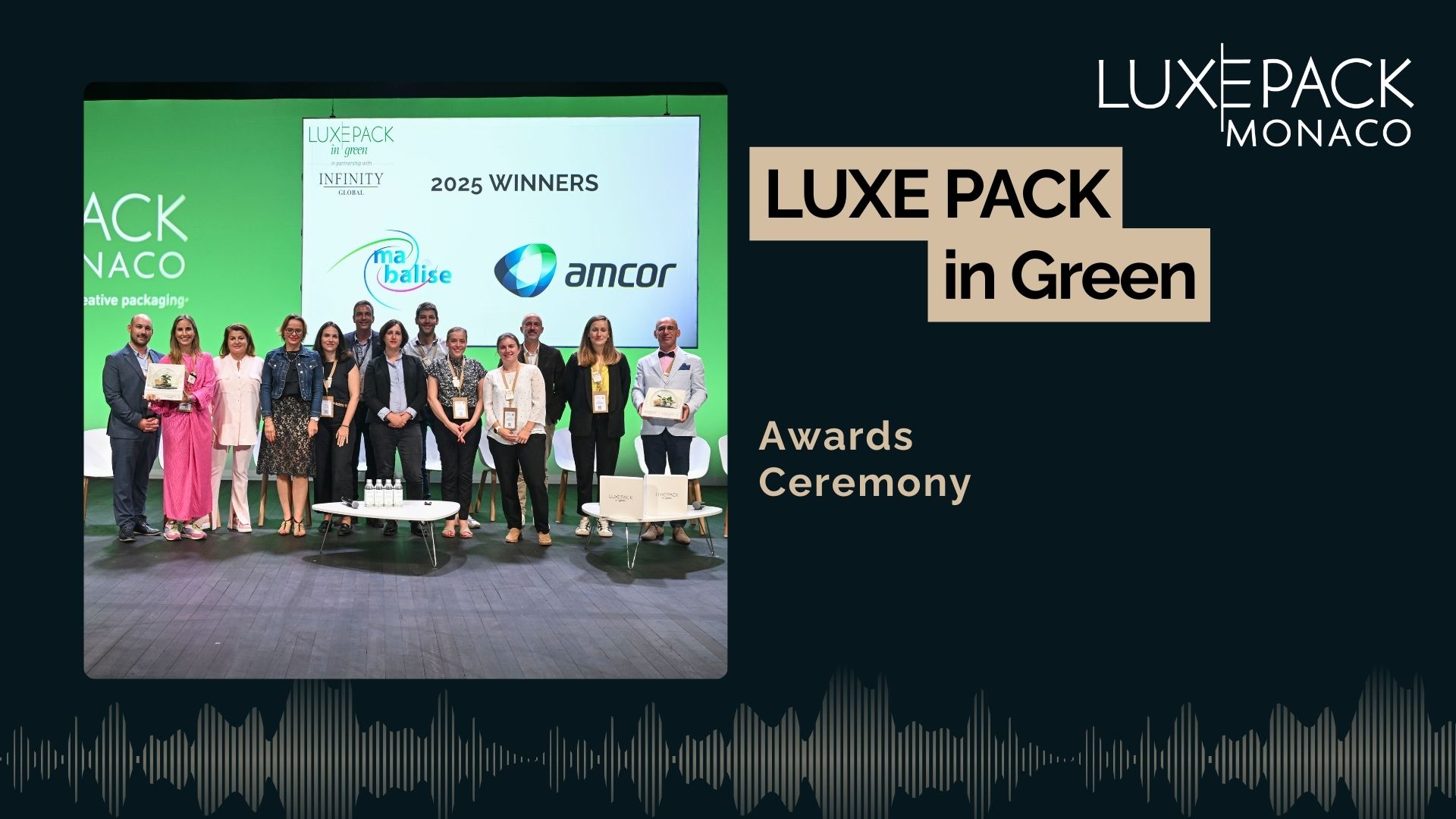
The 20th edition of LUXE PACK in Green, held in Monaco, brought together more than forty-nine entries to select eight finalists in the categories “eco-designed innovations” and “CSR initiatives.” A true barometer of industry transformation, this ceremony highlights the ways in which the luxury sector is embracing sobriety, circularity, and societal ambition.
Experts, brands, and suppliers shared the same conviction: eco-design is no longer merely a regulatory requirement, but a driver of creative excellence and desirability. Through practical feedback and concrete innovations, this article explores the emerging trends and the conditions needed to scale these initiatives effectively.
Maturity and Synergies: Eco-Design Gains Ground
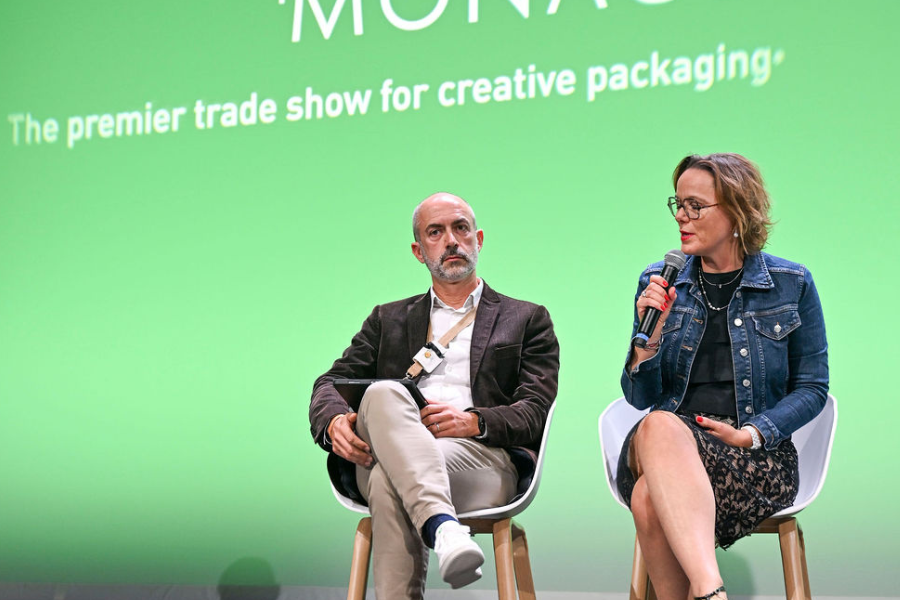
For two decades, luxury houses have been refining their understanding of environmental challenges. Hélène Villecroze, Product Lead Sustainability at Chanel, emphasizes that the profession now has the tools to “measure, quantify and accurately assess” each packaging proposal, making eco-design more targeted and effective. The formation of multi-stakeholder coalitions, bringing together brands, suppliers and recycling organizations, now structures the sector and accelerates the deployment of solutions.
Better control of impacts to drive the transition
Tensions and Levers: From Reuse to Recyclability
The rise of reuse, with refillable or returnable solutions, marks a major step forward. However, two obstacles remain: customer engagement (adopting new habits) and regulatory preparedness (anticipating the future PPWR directive). To turn these challenges into opportunities, four main levers are emerging:
- Mono-material design: Simplifying sorting and maximizing recycling value.
- Integration of PCR (Post-Consumer Resin): Up to 85% in certain bottles.
- Inclusive ergonomics: One-hand opening mechanisms.
- Footprint transparency: Precise carbon reporting for each batch.
Toward the Standardization of Recyclability: Guides and Coalitions
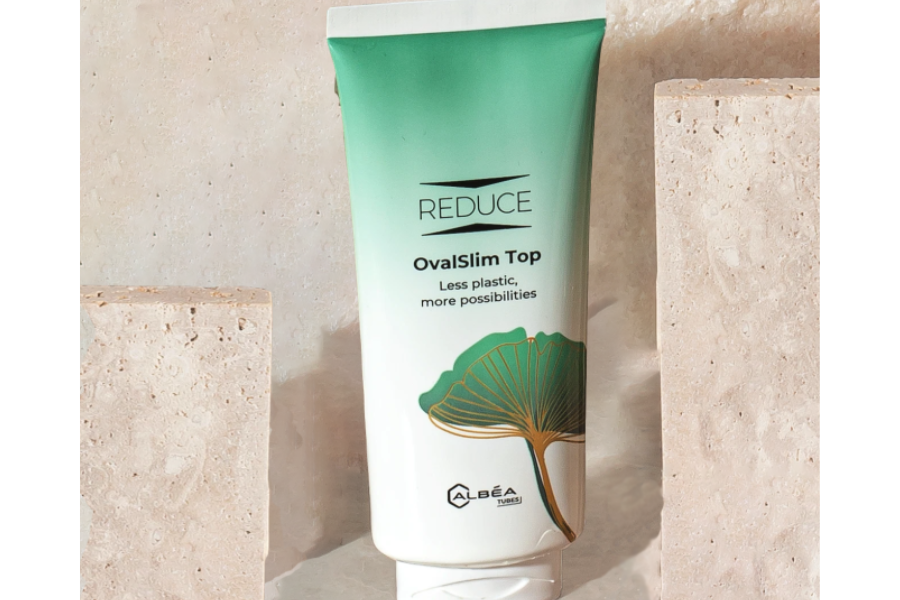
The first version of the PPWR confirmed the need for sector-wide alignment. Albéa took the lead: initiated in 2012 with Citeo, the initiative evolved into a Guide to Designing Recyclable Packaging, the result of two years of collaborative work.Published in early 2025 and available for download on the FBA and Ellipso websites, this guide defines key areas for improvement in plastic packaging and anticipates regulatory requirements by 2030. This collective initiative lays the foundations for a unified sector, ready to meet the regulatory framework and promote a circular economy.
Technical Innovations and Premium Experience
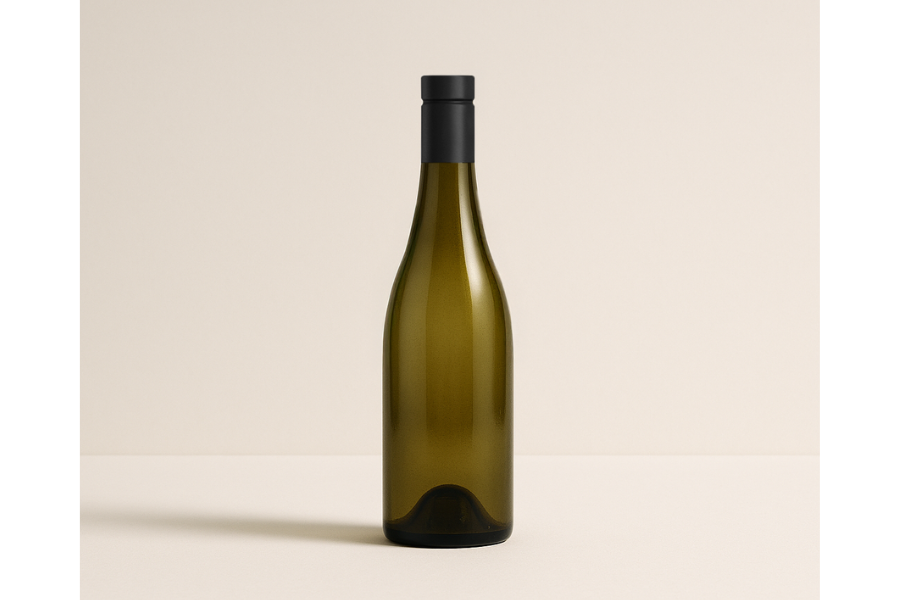
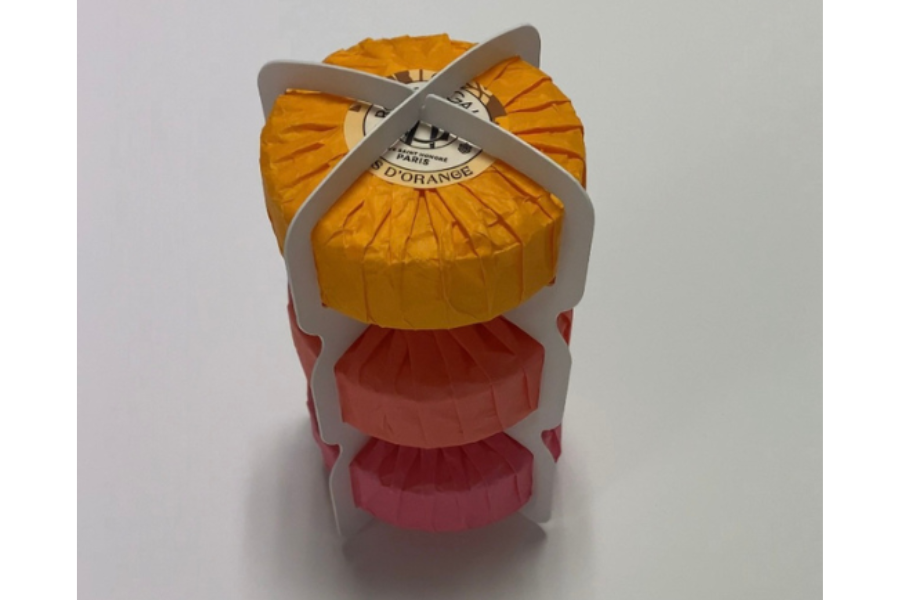
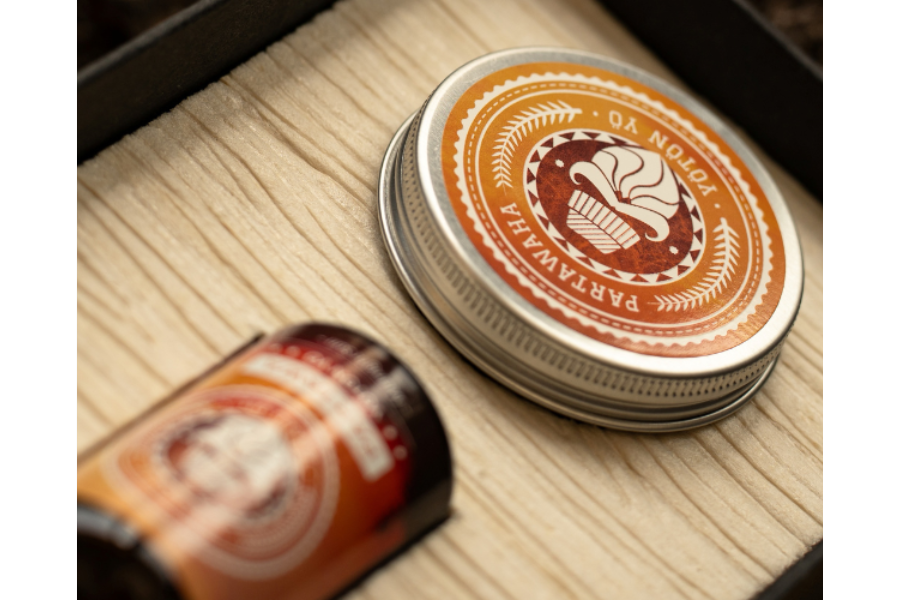
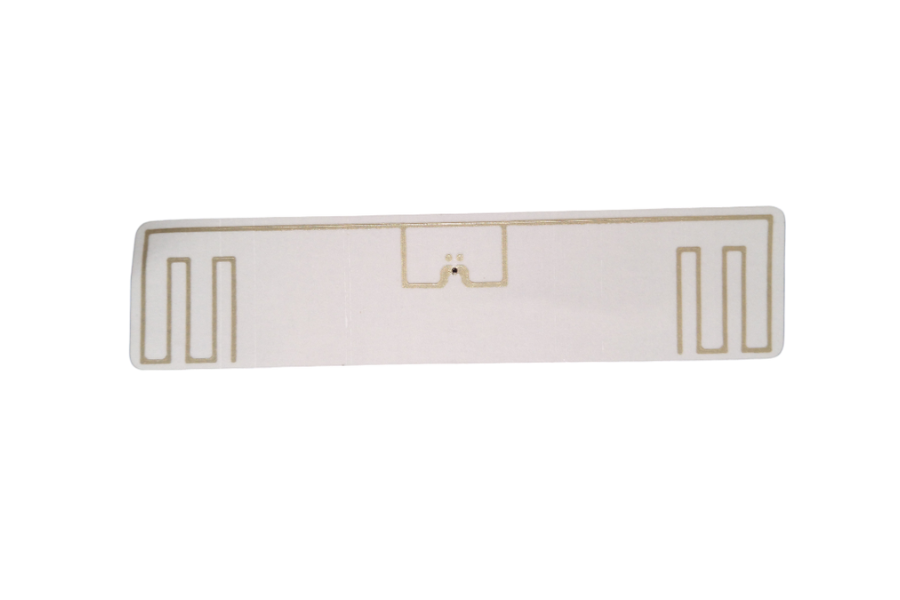
The finalists in the innovation category presented solutions combining eco-design and technical expertise:
Toward Widespread Integration
The LUXE PACK in Green 2025 ceremony confirms that sustainability is no longer an option but the core of innovation. The trajectory is clear: structuring the sector through coalitions, simplifying packaging through mono-material design, and guiding consumers toward reuse.
By measuring carbon impact at every stage, the industry is turning constraints into a driver of performance and responsibility. LUXE PACK Monaco, an observatory of these transformations, will continue to support luxury stakeholders in this circular revolution, bringing together innovations and expertise on the Monaco stage.