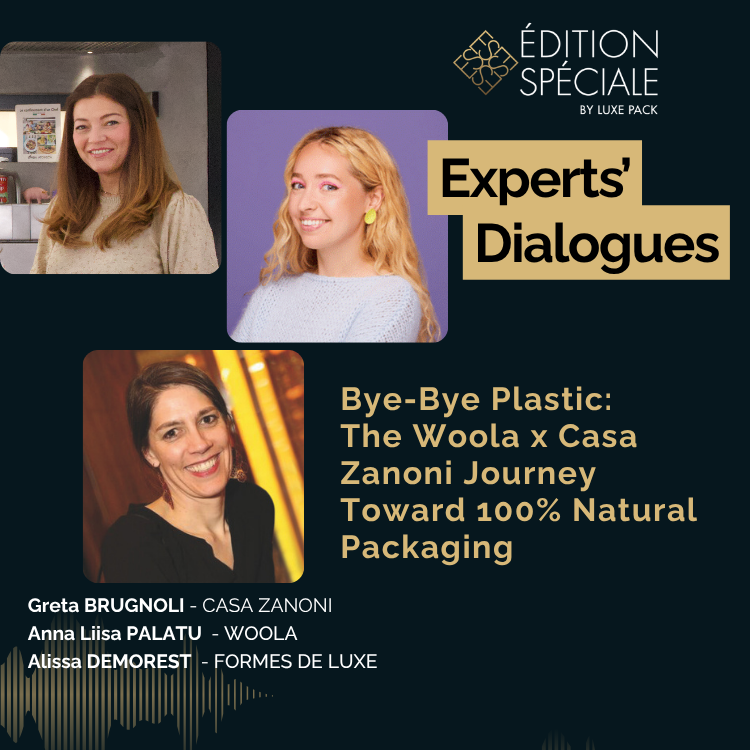
Thursday, August 6, 2026
From Waste Wool to Plastic-Free E-Commerce Packaging with Woola & Casa Zanoni
Edition Spéciale by LUXE PACK

Discover how Woola and Casa Zanoni transform waste wool into plastic-free eco friendly shipping supplies, delivering sustainable e-commerce packaging that slashes plastic waste, reduces carbon footprint, and powers the circular economy.
The rapid rise of online retail has intensified the global need for high-performance protective solutions that replace harmful single-use plastics. By converting an overlooked agricultural byproduct into a premium protective medium, the collaboration between Estonian startup Woola and Italian food e-tailer Casa Zanoni demonstrates that nature's "miracle material" can secure both luxury products and the planet. This shift toward sustainable e-commerce packaging is not merely a trend; it is a strategic imperative for brands seeking to align operational efficiency with environmental integrity.
The logistics industry is currently facing a paradigm shift. Traditional plastic bubble wrap, once the undisputed standard for its low cost and light weight, is increasingly marginalized by shifting consumer values and looming regulatory mandates. In this context, the use of wool offers a sophisticated alternative that matches the technical performance of synthetic polymers while providing a tactile, sensory experience that reinforces brand prestige.
The Genesis of a Circular Partnership: Choosing Sustainable E-Commerce Packaging Over Waste
The foundation of this partnership lies in a startling realization regarding European agricultural efficiency. During Woola's initial research phase, the founders discovered that approximately 90% of sheep wool in Europe and nearly 99% in Estonia is treated as waste each year. Because this wool is often too coarse for the high-end fashion industry, it is traditionally buried or incinerated, creating a massive loss of biomass. Woola's mission was to reclaim this lost resource and transform it into a high-value protective asset.
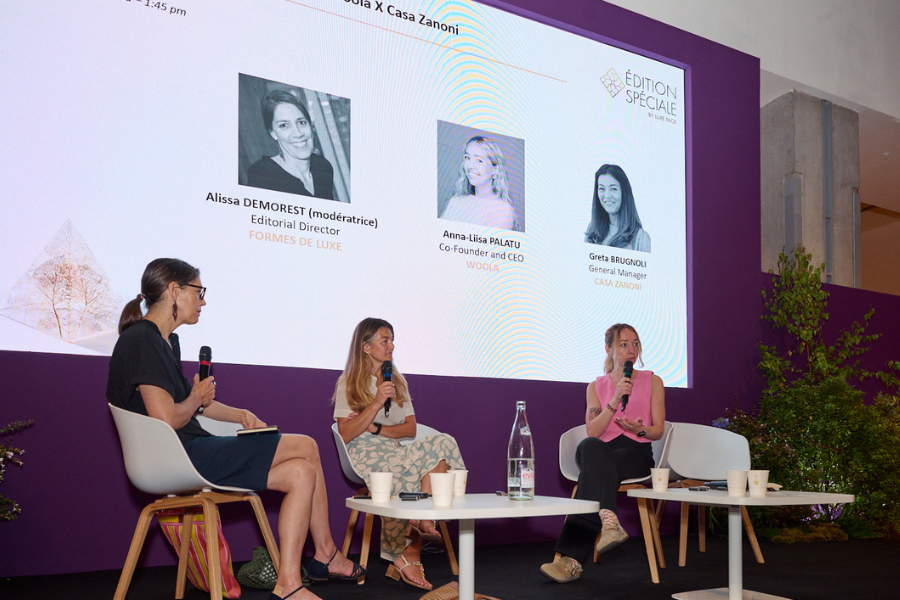
Engineering the "Miracle Material": Sustainable Cushioning and Technical Innovation in Wool
Scaling the use of raw wool for industrial shipping required rigorous research and development. Woola initially experimented with blending wool and PLA (bio-plastic) before successfully innovating a process to produce 100% wool packaging through an advanced binding technique that requires zero chemical additives. This mastery of material science now allows for a comprehensive range of sustainable cushioning and eco friendly shipping supplies designed to replace plastic across every standard e-commerce use case:
- Wool Envelopes: Precision-engineered for small fragile items, cosmetics, and jewelry.
- Wool Sheets: Adopted by Casa Zanoni for securing larger glass jars and delicate food items.
- Bubble Wool: Featuring an innovative pressed pattern that provides mechanical resilience identical to traditional polyethylene bubbles.
Extensive drop tests and thermal resistance evaluations confirm that wool often outperforms plastic, particularly in temperature-sensitive contexts. The material's innate ability to regulate humidity and temperature simplifies the packing process: wool pouches are significantly faster to prepare than folding complex cardboard inserts, resulting in a labor-efficiency gain that helps offset the higher material costs.
Ethical Sourcing, B Corp Standards, and Supply Chain Transparency
The credibility of wool as a sustainable medium depends entirely on the integrity of its sourcing. Woola sources its raw material exclusively from small-scale Estonian farmers who adhere to ethical shearing practices, strictly avoiding factory farming models. To ensure a premium user experience, the wool undergoes a thorough washing process designed to minimize the natural scent of the animal, leaving only a faint, neutral aroma that serves as a hallmark of authenticity a stark contrast to the artificial smell of industrial plastics.
This commitment to transparency is solidified by high-level certifications, most notably the B Corp status, which verifies a brand's social and environmental impact. Every piece of packaging serves as a communication tool, displaying guidance on end-of-life repurposing and sourcing origins. In an era of eco-friendly shipping, providing a clear audit trail of the material's journey from the sheep to the doorstep is essential for maintaining consumer trust.
The Consumer Experience: Wool Packaging Beyond Disposal into Creative Reuse
A major challenge in adopting natural materials is the consumer's perception of "natural imperfections." Casa Zanoni conducted pilot phases to gauge customer reactions to the texture and organic nature of wool packaging. The feedback was overwhelmingly positive; rather than viewing the material as a burden, consumers embraced it as a resource for creative reuse.
This transforms the packaging from a disposable shell into a multifunctional object. Casa Zanoni customers have reported numerous secondary applications for the wool sheets: home composting, worm bedding, garden insulation, wine bottle coolers, and even flexible protective bags for fragile items during house moves. This ability to extend the material's lifecycle far beyond the initial transit phase is the ultimate expression of a functional circular economy.
"Natural imperfections are a small compromise in the global fight against plastic pollution and the escalating climate crisis." The Woola Founders.
Strategic Communication and Community Engagement
For a successful transition to eco friendly shipping supplies, consumer education is paramount. The co-branded packaging developed by Woola and Casa Zanoni explicitly explains the origin of the "waste wool" and provides step-by-step ideas for its "afterlife." This includes creative suggestions such as creating scented sachets or teapot coolers, turning the unboxing experience into a moment of brand education.
Woola actively fosters a community around these plastic-free e-commerce packaging solutions by sharing user-generated content of creative reuse cases. This storytelling strategy amplifies brand loyalty, as the customer no longer feels the guilt associated with discarding plastic waste. Instead, they feel like active participants in a movement to protect the planet.
Environmental Impact and the Roadmap to 2030
The measurable results of this collaboration validate the viability of the sustainable e-commerce packaging model. To date, the partnership has enabled thousands of plastic-free shipments, preventing the landfilling of thousands of square meters of plastic wrap and diverting significant amounts of wool from incineration. Globally, Woola has enabled nearly 2 million parcels to be shipped with 100% wool protection, covering an area equivalent to tens of thousands of parking spaces.
Looking ahead, the roadmap for 2030 and beyond involves scaling operations beyond the Baltic and French markets and exploring even more radical circular models. Casa Zanoni is investigating the elimination of glass containers in favor of high-tech refill pouches, while Woola continues to refine its manufacturing technology to further reduce energy intensity. The long-term goal is to overcome market-entry trust barriers by proving that natural materials are the only logical choice for a future of responsible logistics.
Conclusion: Defining the Post-Plastic Era in E-Commerce
The partnership between Woola and Casa Zanoni exemplifies how reclaimed waste materials can fuel a regenerative economy while delivering high-performance protection. Their journey underscores the urgency for global brands to embrace natural fibers to combat the environmental cost of traditional retail. By refining refill models and perfecting biodegradable solutions, they offer a definitive blueprint for the industry: innovate without destruction, and ensure that every parcel sent is an investment in a more sustainable future for the planet.